
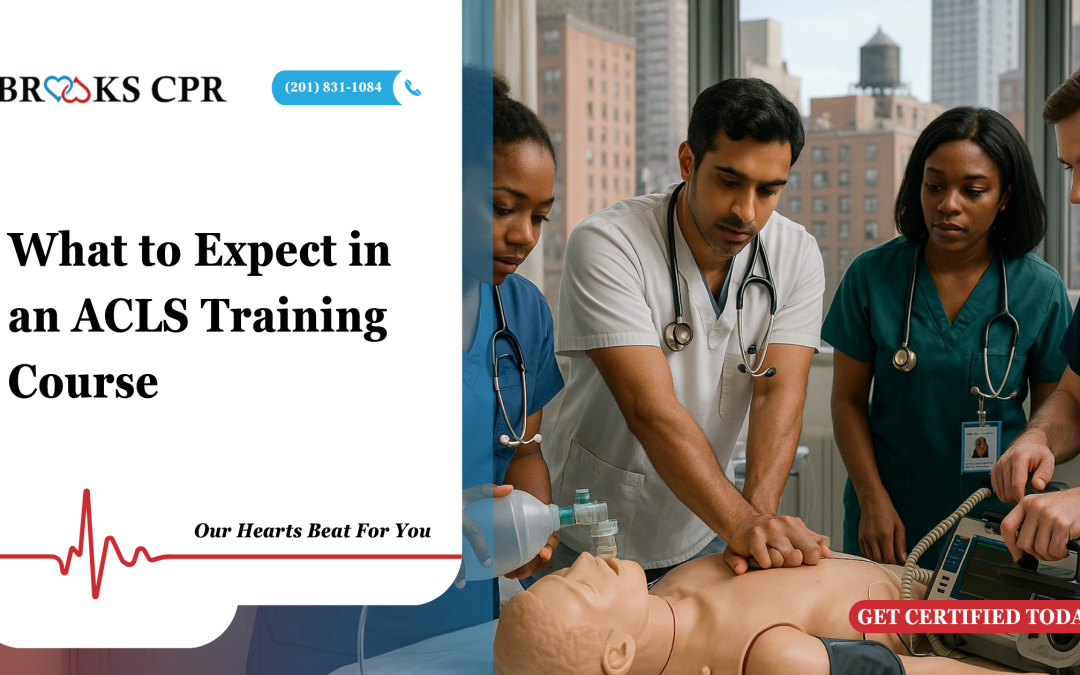
Taking that first step toward ACLS training can feel overwhelming, especially when you’re balancing work, family, and everything else life throws your way.
You might be wondering what you’re getting yourself into, how much time it will take, or whether you’ll be able to keep up with the material.
These concerns are completely normal—and the good news is that ACLS certification is designed to be achievable for dedicated professionals like you.
Whether you’re a paramedic looking to advance your skills, a respiratory therapist wanting to expand your role, or someone entering the emergency medical field, understanding what happens during ACLS training can help ease those pre-course jitters and set you up for success.
Let’s break down exactly what you can expect, so there are no surprises on your training day.
What Is ACLS Training?
Before diving into what you’ll experience during your course, it’s helpful to understand exactly what ACLS training covers and why it’s become such a crucial certification for healthcare professionals.
Advanced Cardiovascular Life Support isn’t just another credential—it’s specialized training that could mean the difference between life and death in critical situations.
The Purpose and Scope of ACLS Certification
ACLS training focuses on the advanced skills needed to respond to cardiovascular emergencies and other life-threatening situations.
Think of it as the next level up from basic CPR—while Basic Life Support teaches you fundamental chest compressions and rescue breathing, ACLS equips you with the knowledge to interpret heart rhythms, administer emergency medications, and lead a coordinated resuscitation team.
The certification covers critical scenarios like cardiac arrest, stroke, respiratory emergencies, and shock.
You’ll learn to use advanced equipment, understand complex cardiac rhythms, and master the protocols that guide emergency response teams through high-stress situations.
Healthcare professionals who typically pursue ACLS certification include emergency room physicians, ICU specialists, paramedics, critical care technicians, and respiratory therapists.
Many hospitals and emergency services require ACLS certification for certain positions, making it essential for career advancement.
What makes ACLS particularly valuable is how it builds upon your existing Basic Life Support skills, expanding them into a comprehensive system for managing complex medical emergencies.
Why ACLS Is Essential in New Jersey and New York’s Healthcare Settings
Working in the healthcare systems across New Jersey and New York presents unique challenges that make ACLS training particularly important.
The high population density and busy emergency departments mean healthcare professionals here often encounter a higher volume of cardiac emergencies than colleagues in other regions.
Many hospitals throughout the tri-state area have made ACLS certification a requirement for employment in critical care units, emergency departments, and intensive care settings.
State regulations in both New Jersey and New York also require healthcare facilities to maintain certain staffing levels of ACLS-certified personnel, particularly in emergency and critical care areas.
This creates a strong job market for professionals with current ACLS certification and often translates to better opportunities for advancement.
At Brooks CPR, we’ve seen how ACLS certification opens doors for healthcare professionals throughout the region, whether you’re looking to transition into emergency medicine or advance within your current role.
ACLS Training Course Structure
Understanding how ACLS courses are organized can help you choose the format that works best for your schedule and learning style.
Most training providers offer several different options to accommodate the diverse needs of healthcare professionals, from busy emergency room staff to those working rotating shifts.
In-Person, Blended, and Online Options
Traditional classroom-based ACLS training remains the most popular choice for many healthcare professionals.
These in-person sessions typically involve a full day of instruction with hands-on practice using mannequins, defibrillators, and other emergency equipment.
You’ll work directly with instructors and practice scenarios with other participants, which many find invaluable for building confidence and teamwork skills.
Blended learning combines online coursework with shorter in-person sessions:
- Complete theoretical portions online at your own pace
- Learn cardiac rhythms and medication protocols from home
- Attend condensed hands-on sessions for skills practice
- Finish with in-person assessment and certification
Fully online ACLS courses are available for renewal certification, though initial certifications typically require some hands-on component.
These courses work well for experienced professionals who need to update their knowledge and maintain their certification status.
We’ve found that different formats work better for different people.
Some learn best through direct interaction and immediate feedback, while others prefer the flexibility to review complex material at their own pace.
Our team works with you to identify which approach aligns with your learning preferences and professional requirements.
Course Duration and Scheduling
Initial ACLS certification courses typically run 6-8 hours, though this can vary depending on the format you choose:
- Traditional classroom: Full day (6-8 hours) with breaks
- Blended format: 2-3 hours online + 4-5 hours hands-on
- Includes comprehensive skills practice and assessment
Renewal courses are generally shorter, running 4-6 hours since you’re refreshing existing knowledge rather than learning everything from scratch.
The exact duration depends on any updates to protocols and how much hands-on practice time is included.
For healthcare professionals in the New York and New Jersey area, scheduling flexibility is crucial.
Many work irregular hours, long shifts, or rotating schedules that make it challenging to commit to traditional weekday courses.
Our flexible scheduling options include:
- Weekend sessions
- Evening classes
- Early morning options
- Rescheduling support for unexpected situations
We also understand that healthcare emergencies don’t follow a calendar, so we maintain flexibility for rescheduling when unexpected situations arise.
Whether you’re dealing with a last-minute shift change or a personal emergency, we work with you to find alternative dates that keep your certification on track.
Core Components of ACLS Training
The heart of any ACLS course lies in mastering four essential skill areas that work together during real emergencies.
These components build on each other, creating a comprehensive toolkit for managing cardiovascular crises.
Understanding what you’ll learn in each area can help you prepare mentally and know what to focus on during your training.
Advanced Airway Management
Maintaining a patient’s airway is often the difference between a successful resuscitation and a tragic outcome.
ACLS training goes far beyond basic rescue breathing, teaching you advanced techniques that can secure an airway even in the most challenging situations.
Key techniques you’ll master include:
- Endotracheal intubation – inserting a tube directly into the trachea for optimal airway control
- Supraglottic airway placement – using devices like laryngeal mask airways as alternatives to intubation
- Bag-mask ventilation – advanced techniques for effective manual ventilation
- Airway assessment – quickly identifying the best approach for each patient
The hands-on practice component is crucial here.
You’ll work with mannequins and simulation equipment to practice these techniques until they become second nature.
Many students find the airway management portion challenging at first, but the intensive practice sessions help build the muscle memory and confidence you’ll need in real emergencies.
Medication Administration and Pharmacology
ACLS involves administering powerful medications that can restart a heart or stabilize dangerous rhythms.
You’ll learn not just what medications to give, but when to give them, how much to administer, and what to watch for afterward.
Essential medications covered in ACLS training:
- Epinephrine – the primary drug for cardiac arrest, increasing heart rate and blood pressure
- Amiodarone – used to treat life-threatening irregular heart rhythms
- Atropine – helps speed up dangerously slow heart rates
- Adenosine – rapidly converts certain fast heart rhythms back to normal
- Vasopressin – alternative to epinephrine in some cardiac arrest scenarios
You’ll learn proper dosages, administration routes, and potential side effects for each medication.
The training emphasizes safe practices and double-checking protocols to prevent medication errors during high-stress situations.
This knowledge is critical because the wrong medication or dose can be as dangerous as no treatment at all.
Electrical Therapies
Sometimes the fastest way to save a life is through electrical intervention.
ACLS training teaches you how to safely and effectively use various electrical therapies to restore normal heart rhythms.
Electrical therapy techniques include:
- Defibrillation – delivering unsynchronized shocks to treat ventricular fibrillation and ventricular tachycardia
- Synchronized cardioversion – timed electrical shocks for treating unstable tachycardia
- Transcutaneous pacing – using external electrical pulses to stimulate heartbeats in severe bradycardia
- Rhythm recognition – quickly identifying life-threatening arrhythmias that require immediate intervention
The training emphasizes safety protocols for electrical therapies, including proper pad placement, ensuring everyone is clear of the patient, and choosing appropriate energy levels.
You’ll practice on simulation equipment until you can operate these devices confidently and safely.
Critical Thinking and Team Dynamics
Perhaps the most challenging aspect of ACLS isn’t learning individual skills—it’s integrating everything you’ve learned while working effectively as part of a team.
Real emergencies are chaotic, and successful resuscitation depends on clear communication and coordinated efforts.
Team dynamics training focuses on:
- Leadership roles – taking charge of resuscitation efforts and delegating tasks effectively
- Communication skills – giving clear, concise instructions during high-stress situations
- Role assignments – understanding how each team member contributes to the resuscitation effort
- Rapid decision-making – processing information quickly and choosing the best course of action
During scenario-based training, you’ll practice leading resuscitation teams and also learn how to be an effective team member.
This includes everything from calling out rhythm changes to coordinating medication administration while CPR continues.
The goal is to develop the critical thinking skills that allow you to adapt protocols to each unique situation you encounter.
At Brooks CPR, we’ve seen how mastering these team dynamics often separates good ACLS providers from truly exceptional ones.
It’s not enough to know the protocols—you need to be able to apply them effectively while working under pressure with other healthcare professionals.
Preparing for ACLS Certification in NYC
Getting ready for your ACLS course doesn’t have to be overwhelming, but a little preparation can make a big difference in your confidence and success.
The more familiar you are with the prerequisites and study materials beforehand, the more you’ll be able to focus on hands-on practice and skill development during your training day.
Prerequisites and Eligibility
Before enrolling in ACLS training, you’ll need to meet certain requirements that ensure you have the foundational knowledge to succeed.
These prerequisites aren’t meant to be barriers—they’re designed to help you get the most out of your training experience.
Required prerequisites include:
- Current BLS certification – you must have valid Basic Life Support certification before starting ACLS
- Clinical experience – most programs require some healthcare background, though specific requirements vary
- Basic medical knowledge – understanding of anatomy, physiology, and medical terminology
Recommended background knowledge that will help you succeed:
- EKG interpretation – ability to recognize basic heart rhythms and abnormalities
- Pharmacology fundamentals – understanding how medications work and basic dosing principles
- Airway management basics – familiarity with oxygen delivery and ventilation concepts
- Medical emergency response – experience working in acute care or emergency settings
If you’re missing some of the recommended background knowledge, don’t worry.
Many successful ACLS candidates have learned these concepts as part of their training.
However, reviewing these areas beforehand can help you feel more confident and allow you to focus on advanced techniques during the course.
For healthcare professionals in the NYC area, clinical experience requirements are typically met through work in hospitals, emergency services, or other acute care settings.
If you’re unsure whether your background meets the requirements, we’re happy to discuss your specific situation and help you determine if you’re ready for ACLS training.
Study Resources and Exam Preparation
Proper preparation is key to ACLS success, and fortunately, there are excellent resources available to help you get ready.
The key is using official materials and focusing your study time on the areas that matter most for both the written exam and practical skills assessment.
Official study materials include:
- AHA ACLS Provider Manual – the definitive guide covering all protocols and procedures
- Online learning modules – interactive courses that complement the provider manual
- ACLS pocket reference cards – quick-access guides for algorithms and drug dosages
- Practice rhythm strips – essential for developing EKG interpretation skills
Effective study strategies:
- Start with the fundamentals – review BLS skills and basic cardiac rhythms first
- Use practice tests – take multiple practice exams to identify knowledge gaps
- Join study groups – collaborate with other healthcare professionals preparing for certification
- Attend simulation labs – practice hands-on skills in realistic scenarios when possible
Many students find that breaking their preparation into focused study sessions works better than trying to cram everything at once.
Spend time each day reviewing different components—one day on medications, another on rhythm recognition, and so on.
This approach helps reinforce learning and prevents information overload.
The written exam tests your knowledge of ACLS algorithms, medication protocols, and rhythm recognition.
The practical skills assessment evaluates your ability to lead resuscitation efforts, work as part of a team, and apply protocols in simulated emergency scenarios.
We often recommend that candidates spend extra time practicing rhythm recognition, as this skill forms the foundation for most ACLS decisions.
The more comfortable you are identifying different cardiac rhythms, the more confident you’ll feel during both the exam and real emergency situations.
How We Support Healthcare Professionals in NJ and New York
Working in healthcare across the tri-state area comes with unique challenges, from high-pressure emergency departments to diverse patient populations with complex needs.
That’s why our approach to ACLS training goes beyond just meeting certification requirements—we focus on building the practical skills and confidence you need to excel in real-world situations.
Our comprehensive ACLS courses are designed specifically for NYC’s diverse healthcare community.
We understand that healthcare professionals in this region encounter everything from routine cardiac events to complex multi-system emergencies.
Our curriculum reflects this reality, incorporating scenarios and case studies that mirror what you’ll actually face in local hospitals, clinics, and emergency services.
The diversity of our healthcare community means that effective communication and cultural competency are just as important as technical skills.
We weave these elements into our training, helping you develop the ability to work effectively with patients and colleagues from all backgrounds during high-stress situations.
Our experienced instructors use a practice-while-you-watch approach that builds both knowledge and confidence.
Rather than overwhelming you with theory before moving to hands-on practice, we integrate demonstration and practice throughout the learning process.
You’ll see a skill demonstrated, practice it immediately, and then apply it in realistic scenarios.
This teaching method helps bridge the gap between classroom learning and real-world application.
When you’re performing chest compressions or interpreting cardiac rhythms during the course, you’re not just going through the motions—you’re building the muscle memory and decision-making skills that will serve you when seconds count.
Our instructors bring years of emergency medicine experience to the classroom, sharing practical insights and real-world tips that you won’t find in textbooks.
They understand the challenges of working in fast-paced healthcare environments and can help you develop strategies for staying calm and effective under pressure.
We provide flexible course formats, renewal reminders, and ongoing education opportunities to keep your skills sharp.
Healthcare professionals have demanding schedules, and we’ve designed our services to work around your professional commitments rather than adding to them.
Our support services include:
- Flexible scheduling – weekend, evening, and early morning options
- Multiple course formats – in-person, blended, and online renewal options
- Automatic renewal reminders – we track your certification expiration and send timely reminders
- Continuing education opportunities – advanced workshops and skill refresher sessions
- Group training options – on-site courses for healthcare facilities and departments
Beyond initial certification, we’re committed to helping you maintain and improve your skills over time.
The healthcare field evolves rapidly, and ACLS protocols are updated regularly to reflect new research and best practices.
Our ongoing education programs ensure you stay current with the latest guidelines and techniques.
Whether you’re a new graduate starting your first position in emergency medicine or an experienced professional looking to refresh your skills, we’re here to support your success.
Our goal is to help you feel confident and prepared for whatever challenges you might face in your healthcare career.
Your Next Steps in Advanced Cardiac Life Support
Starting your ACLS training journey might feel like a significant commitment, but you now have a clear picture of what lies ahead.
From understanding the core components you’ll master to knowing how to prepare effectively, you’re equipped with the knowledge to approach your certification with confidence.
The skills you’ll develop through ACLS training extend far beyond meeting job requirements—you’re investing in your ability to make split-second decisions that can save lives and lead emergency response teams effectively.
Ready to take the next step?
Whether you’re pursuing your initial ACLS certification or need to renew your existing credentials, we’re here to support your success. Visit brookscprnynj.com to explore our upcoming ACLS courses and find the training format that works best for your schedule and learning style.