
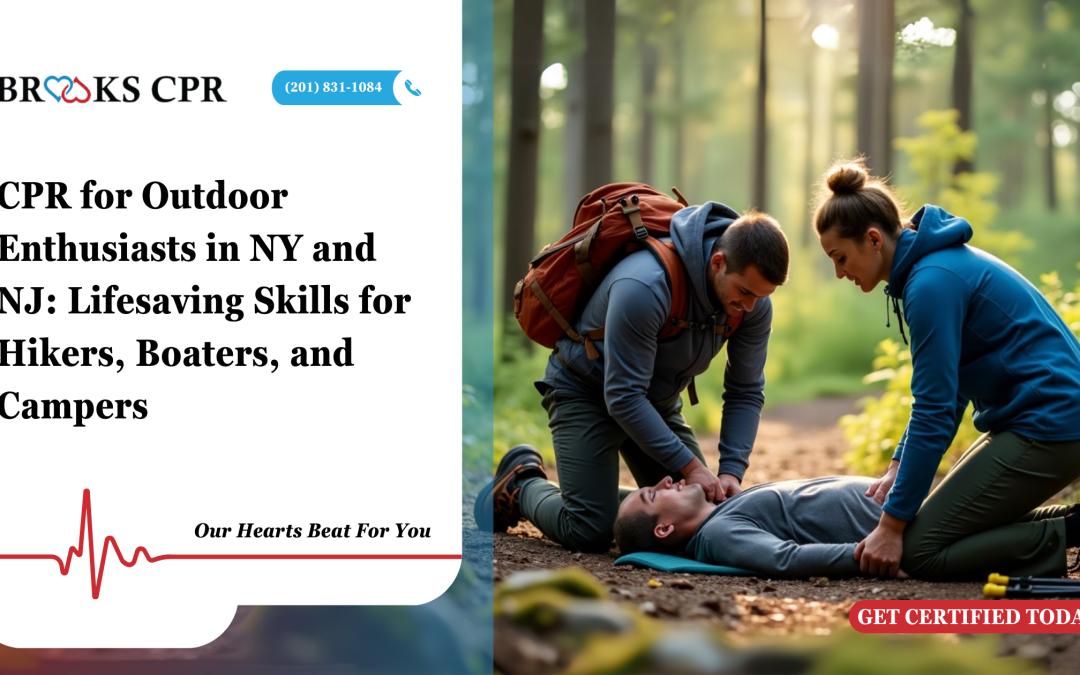
Medical emergencies can strike anywhere.
They become especially challenging when you’re miles away from the nearest hospital.
Wilderness first aid training gets outdoor enthusiasts ready for those critical moments when they can’t get professional help right away.
Let’s take a closer look at everything in wilderness first aid.
You’ll learn why it is different from standard CPR and find the right training program for your outdoor activities. These skills could save lives in remote locations, whether you’re a casual hiker or an experienced camper.
Why Wilderness CPR Differs from Standard CPR
CPR in the backcountry comes with unique challenges that regular CPR training doesn’t deal very well with.
Emergency services reach you within minutes in cities, but wilderness rescues might take hours.
This time gap changes everything about how you handle emergency care.
Wilderness first aid training highlights several key differences:
- Extended Care Duration: You must prepare for patient care that could last hours or even days until professional help arrives. This means you’ll need to think about rescuer fatigue during CPR and how to keep patients stable long-term.
- Environmental Challenges: You won’t have the comfort of indoor settings. Instead, you’ll face extreme weather, unstable ground, and the challenge of finding good surfaces to perform effective compressions.
- Limited Resources: The wilderness doesn’t give you access to AEDs and advanced medical equipment. A CPR training course will help you learn how to improvise with whatever you have on hand.
- Communication Barriers: Cell service might be poor or nonexistent, which delays emergency response. You’ll learn other ways to communicate and make decisions when help isn’t close by.
- Evacuation Planning: The training has sections on deciding whether to evacuate and picking the best method based on how severe the injury is, what the terrain looks like, and what resources you have.
The wilderness also brings special emergencies like hypothermia, heat-related illnesses, altitude sickness, and wildlife encounters. These rarely show up in typical urban CPR situations.
Wilderness CPR techniques often need adaptation. To name just one example, many wilderness first aid classes suggest hands-only CPR. This makes the process simpler and reduces disease transmission risk when you don’t have protective equipment.
The mental challenges are quite different too. Leading a group of stressed people in remote locations while providing life-saving care takes special leadership skills. Regular CPR training doesn’t typically cover these aspects.
These differences matter a lot before you head into NY and NJ’s beautiful but sometimes harsh wilderness areas.
Essential CPR Skills for NY and NJ Outdoor Adventures
Learning proper CPR techniques is vital for anyone exploring New York and New Jersey’s wilderness areas.
Research shows survival rates drop by about 10% each minute without defibrillation.
Our wilderness first aid training will give you the life-saving skills needed in remote environments.
Quality chest compressions form the base of wilderness CPR.
- Place your hands at the chest’s center between the nipples.
- The compression depth should be at least 2 inches deep (5 centimeters) but not exceed 2.4 inches (6 centimeters).
- Keep a steady pace of 100-120 compressions per minute.
Many instructors suggest using songs like “Stayin’ Alive” to maintain the right tempo naturally.
NY state has specific regulations for outdoor activities.
Children’s camps and bathing facilities need staff with valid two-rescuer CPR certification and AED training.
Staff leading wilderness hiking, rock climbing, camping, horseback riding, and boating must have proper certification or work with certified personnel.
Hands-only CPR works best in wilderness settings.
The CDC states that taking action, even with imperfect technique, gives victims a better chance of survival than no action at all.
Note that CPR skills deteriorate within months after training. Regular practice becomes significant for outdoor enthusiasts.
Your environment might require adjustments to wilderness CPR techniques. Standard positioning might not work in challenging terrain with falling hazards.
“Straddle CPR,” where the rescuer straddles the patient’s legs, can work well in tight spaces or during transport.
AEDs can boost survival chances significantly. However, these devices have limitations in wilderness settings. They often fail in extreme conditions common during outdoor adventures.
Focus on delivering high-quality compressions to maintain blood flow until evacuation becomes possible.
Our complete wilderness first aid courses will help you learn these vital skills and practical adaptations for NY and NJ’s outdoor environments.
Finding Wilderness First Aid Courses in NY and NJ
Brooks CPR helps outdoor enthusiasts find the right wilderness first aid training across New York and New Jersey.
We connect people with programs that match their adventure needs and certification goals.
The American Red Cross leads wilderness first aid courses in our region. Their detailed 16-hour program teaches vital skills from patient assessment to managing environmental emergencies.
Students must be at least 14 years old and hold a current adult CPR/AED certification before they can enroll. Major outdoor organizations recognize this 2-year certification.
NY and NJ offer several specialized training options:
- Appalachian Mountain Club (AMC-NY) runs wilderness first aid courses with member discounts. Their ESCI Wilderness First Aid course spans two full days (8 hours daily) and covers everything from minor injuries to life-threatening emergencies.
- NOLS Wilderness Medicine delivers courses that the University of Utah approves for college credit. Boy Scouts of America and the American Camp Association recognize these programs for wilderness first aid requirements.
Wilderness medicine providers have adapted to modern needs with hybrid learning formats.
Students can complete online modules at their own pace and practice skills in person.
Theory comes from online lessons while hands-on sessions focus on practical skills and real-life scenarios.
Course topics typically include:
- Primary and secondary patient assessments
- Managing head, neck and spinal injuries
- Treating environmental emergencies (hypothermia, heat illness, altitude sickness)
- Handling bone injuries, wounds, and burns
People who want to keep their wilderness medicine credentials current can take recertification courses.
Certifications last two years, and refresher courses help students stay updated with the latest wilderness emergency care practices.
Empowering Your Outdoor Journey with Critical Skills
Knowing wilderness first aid could save someone’s life in NY and NJ’s outdoor spaces.
Basic CPR knowledge helps, but remote environments just need different approaches and specialized skills.
Medical emergencies become tough when you’re hours away from help. Your ability to perform chest compressions, spot environmental dangers, and follow evacuation steps can make all the difference during outdoor trips. These vital skills need constant practice since most people forget their CPR training after a few months.
These wilderness first aid skills give you peace of mind, whether you take occasional hikes or lead regular outdoor trips.
Reach out to us to find a course that fits your outdoor activities and certification requirements.