
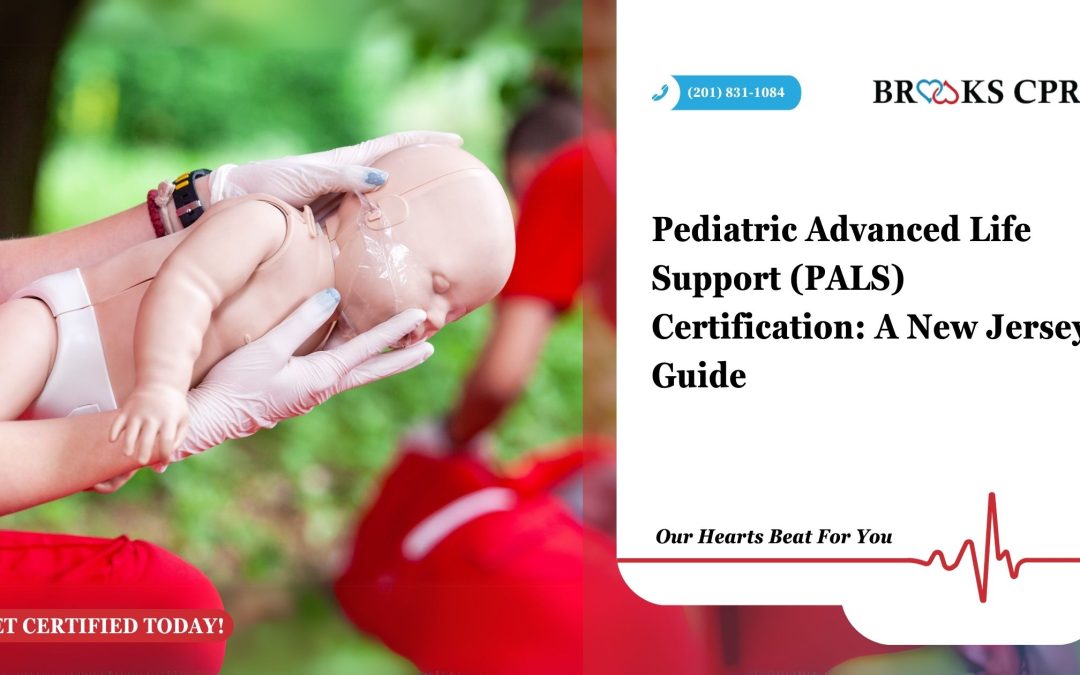
Pediatric Advanced Life Support (PALS) certification is a vital credential for healthcare providers who work with children in critical and emergency situations.
Whether you’re a nurse, physician, or first responder in New Jersey, obtaining this certification ensures that you have the knowledge and skills to provide life-saving interventions during pediatric emergencies.
It’s not just about meeting job requirements—it’s about being prepared when every second counts.
Understanding how to earn and maintain your PALS certification can feel overwhelming, but the process is more accessible than you might think.
At Brooks CPR, we understand the importance of equipping medical professionals with the resources and training needed to confidently handle these high-stakes scenarios in their communities.
Importance of Pediatric Advanced Life Support (PALS)
When a child experiences a medical emergency, every second counts.
Pediatric Advanced Life Support certification represents more than just another credential – it’s a vital skillset that can mean the difference between life and death for our youngest patients.
Critical Role in Emergency Care
Healthcare providers who complete PALS certification gain specialized knowledge and practical skills to manage life-threatening emergencies in infants and children.
Beyond basic life support, this advanced training equips you to:
- Recognize early warning signs of respiratory failure and shock in pediatric patients, allowing for rapid intervention before cardiac arrest occurs. Studies show that early recognition and treatment of respiratory distress can prevent up to 85% of cardiac arrests in children.
- Master pediatric resuscitation protocols, including proper medication dosing, equipment selection, and team dynamics specifically designed for treating young patients. This systematic approach has been shown to reduce errors in emergency situations by over 60%.
- Develop quick decision-making abilities through scenario-based training that mirrors real-life emergencies, preparing you to act decisively when time is critical.
Unique Pediatric Considerations
Children are not simply small adults.
Their bodies respond differently to illness, injury, and treatment:
- Their smaller airways and faster metabolisms mean they can deteriorate more quickly than adults during respiratory emergencies. Research indicates that children can develop severe hypoxia in just 2-3 minutes, compared to 4-6 minutes in adults.
- Cardiac arrest in children most often results from respiratory failure or shock, unlike adults where primary cardiac events predominate. This fundamental difference requires a distinct treatment approach that PALS certification provides.
- Age-specific variations in normal vital signs and developmental stages necessitate carefully tailored interventions. What works for a teenager may be inappropriate or even dangerous for an infant.
Impact on Patient Outcomes
The evidence supporting PALS certification’s effectiveness is compelling:
- Hospitals with higher percentages of PALS-certified staff report significantly better outcomes in pediatric emergencies, with survival rates increasing by up to 41% when PALS protocols are properly implemented.
- In out-of-hospital cardiac arrests, children treated by PALS-certified providers have shown a 27% higher chance of achieving return of spontaneous circulation compared to those treated by non-PALS certified responders.
- Quality of care metrics improve substantially after PALS implementation, including reduced time to critical interventions and fewer adverse medication events.
Course Components of PALS Certification
Let’s break down what you’ll learn during your PALS certification.
The course builds your skills progressively, ensuring you’re comfortable with each component before moving forward:
- The foundation begins with mastering the Pediatric Assessment Triangle – a skill you’ll use countless times in your practice. This systematic approach helps you evaluate a child’s condition within seconds, focusing on their appearance, breathing, and circulation. When time is critical, this structured assessment becomes second nature.
- You’ll refine your CPR techniques specifically for different pediatric age groups. This isn’t just about learning compression depths; it’s about understanding how a child’s body responds differently at each developmental stage. The course covers proper hand positions, compression rhythms, and age-specific modifications that significantly impact survival rates.
- Respiratory emergencies form a crucial part of your training. You’ll learn to identify subtle signs of distress and manage conditions from bronchiolitis to severe asthma. These skills prove invaluable since respiratory issues often precede cardiac events in pediatric patients.
- The course also equips you with advanced skills like shock management and medication administration. You’ll learn to recognize early warning signs and understand the physiological differences that make pediatric shock unique from adult cases.
Teaching Methodologies
Learning these critical skills requires hands-on practice, and that’s exactly what you’ll get:
- You’ll work through realistic scenarios that mirror situations you might encounter in your practice. These simulations help you develop muscle memory and decision-making skills under pressure, but in a controlled environment where mistakes become learning opportunities.
- The training includes practice with actual medical equipment and advanced pediatric mannequins. These tools provide immediate feedback on your technique, helping you refine your skills until they meet the highest standards of care.
- After each simulation, you’ll participate in detailed debriefing sessions. These discussions help you understand not just what to do, but why each decision matters in the context of pediatric emergency care.
This comprehensive approach ensures you’re prepared for real-world pediatric emergencies.
The skills you develop here translate directly to improved patient outcomes in your practice.
Skills Gained Through PALS Certification
Beyond the certification itself lies a transformative learning experience that reshapes how you approach pediatric emergencies.
Let’s explore the specific competencies you’ll develop through this comprehensive training.
Clinical Skills
Your PALS certification journey cultivates a robust set of clinical capabilities essential for managing pediatric emergencies:
- Develop advanced communication skills that prove crucial during high-stress situations. Learn to lead resuscitation efforts effectively while coordinating with team members using clear, concise directives. These skills reduce medical errors by up to 30% in emergency situations, according to recent healthcare studies.
- Master systematic assessment techniques that enable you to evaluate pediatric patients within seconds. PALS training sharpens your ability to detect subtle signs of deterioration before they become critical. You’ll learn to trust your clinical judgment while following evidence-based protocols.
- Gain proficiency in implementing pediatric emergency algorithms, from managing respiratory distress to treating various shock types. Research shows that healthcare providers who regularly practice these protocols respond up to 40% faster in actual emergencies, significantly improving patient outcomes.
Professional Development
PALS certification opens doors and enhances your professional profile in meaningful ways:
- Many specialized pediatric care positions consider PALS certification essential. Whether you work in emergency departments, intensive care units, or pediatric transport services, this credential demonstrates your commitment to providing expert care for young patients.
- Healthcare facilities increasingly recognize PALS-certified providers for their advanced capabilities. This certification often factors into clinical ladder programs and can influence opportunities for leadership roles or specialized assignments.
- The skills acquired through PALS training extend beyond emergency scenarios, enhancing your daily patient care practices. You’ll approach routine pediatric assessments with greater confidence and clinical insight.
Certification Requirements in New Jersey
Understanding what it takes to get PALS certified in New Jersey helps you plan your professional development effectively.
Let’s explore the specific requirements you’ll need to meet.
Eligibility Criteria
The PALS certification path welcomes healthcare professionals who actively participate in the management of pediatric emergencies:
- Licensed healthcare providers, including registered nurses, nurse practitioners, physicians, and physician assistants, form the primary group of PALS participants. Your direct involvement in pediatric care makes this certification particularly valuable.
- Emergency Medical Services (EMS) personnel, including paramedics and advanced EMTs, who frequently encounter pediatric emergencies in the field will find this certification essential for their practice.
- Medical and nursing students in their clinical years can also benefit from early PALS certification, though some programs may require instructor approval based on clinical experience.
Pre-requisites
Before starting your PALS journey, ensure you meet these fundamental requirements:
- A current Basic Life Support (BLS) certification serves as the foundation for PALS training. This ensures you have mastered fundamental life-saving skills before advancing to more complex interventions.
- Basic ECG recognition skills and understanding of cardiac rhythms help you get the most from the course. While not always mandatory, this knowledge significantly enhances your learning experience.
- Familiarity with basic pediatric assessment and vital signs across age groups helps you progress more confidently through the course material.
Course Formats Available
We recognize that healthcare professionals maintain busy schedules, so multiple learning pathways are available:
- Traditional classroom courses offer two-day, intensive in-person training. These sessions provide direct interaction with instructors and peers, ideal for those who prefer hands-on learning in a structured environment.
- Blended learning combines online coursework with in-person skills sessions. Complete the cognitive portion at your own pace, then attend a focused hands-on session to demonstrate your competencies.
- Skills check-offs require successful completion of both written examinations and practical demonstrations. You’ll need to show proficiency in core skills like high-quality CPR, airway management, and emergency scenario management.
Select the format that best fits your learning style and schedule.
Remember, regardless of the path chosen, all formats maintain the same high standards for certification.
Renewal and Continuing Education
Maintaining current PALS certification ensures you’re equipped with the latest evidence-based practices in pediatric emergency care.
Here’s what you need to know about keeping your certification active.
Certification Validity
Your PALS certification remains valid for two years from the date of successful course completion.
During this period, you’ll want to:
- Keep track of your certification expiration date, which appears on your American Heart Association (AHA) completion card. Consider setting a reminder six months before expiration to allow ample time for renewal planning.
- Stay informed about updates to pediatric emergency care protocols, as guidelines may evolve based on new research and best practices during your certification period.
- Practice your skills regularly in your clinical setting to maintain proficiency. Research shows that providers who regularly utilize PALS skills maintain higher competency levels.
Renewal Process
Renewing your PALS certification involves a streamlined process designed to refresh and update your knowledge:
- You’ll need to complete a renewal course before your current certification expires. Many providers schedule their renewal within the final six months of their certification period.
- The renewal course focuses on updates to protocols, skill refinement, and scenario-based practice. This targeted approach ensures you’re current with the latest pediatric emergency care standards.
- If your certification lapses, you’ll need to retake the full PALS provider course rather than the shorter renewal option.
Resources for PALS Certification in New Jersey
Finding the right training provider ensures you receive quality education that meets all state requirements.
Approved Training Providers
Several authorized organizations offer PALS certification across New Jersey:
- The American Heart Association’s approved training centers provide standardized PALS courses that meet all national and state requirements.
- Major healthcare systems throughout New Jersey frequently offer PALS certification courses to both employees and external healthcare providers.
- Brooks CPR Training Center maintains multiple locations across New Jersey, providing flexible scheduling options and experienced instructors who understand local healthcare needs.
State Regulations
New Jersey maintains specific requirements for pediatric emergency care training:
- Healthcare facilities must ensure that appropriate staff members maintain current PALS certification, particularly in emergency departments and pediatric units.
- The New Jersey Office of Emergency Medical Services requires PALS certification for certain levels of pre-hospital care providers working with pediatric populations.
- Regular audits by state regulatory bodies ensure training centers maintain compliance with established standards for PALS education.
Advancing Pediatric Emergency Care: Your Next Step
Our commitment to pediatric emergency care extends beyond basic certification.
PALS training equips healthcare providers with essential skills to confidently handle critical situations involving young patients.
Through hands-on instruction and comprehensive coursework, medical professionals gain the expertise needed to recognize and respond to pediatric emergencies effectively.
Join fellow healthcare providers in advancing your capabilities – schedule your PALS certification today with Brooks CPR and make a meaningful difference in pediatric patient outcomes!