
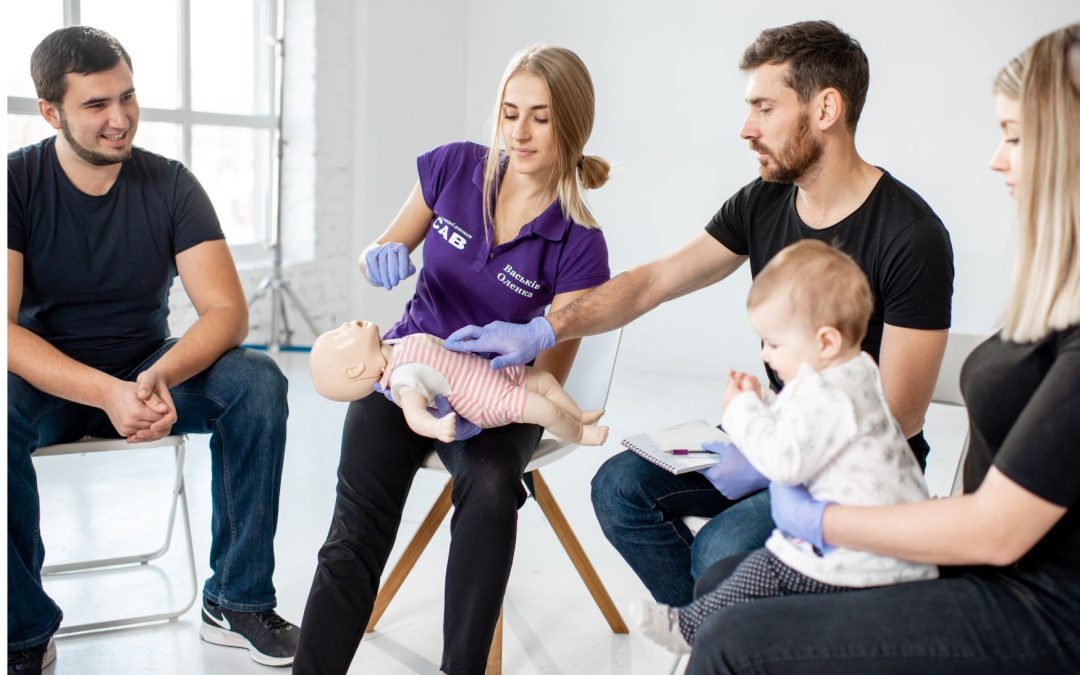
When it comes to keeping our children safe, knowledge is power—and nowhere is that more true than with CPR training.
Did you know that roughly mortality rates for out-of-hospital cardiac arrest are about 90% for infants and children.
As a parent, the thought of an emergency situation involving your child can be terrifying.
But here’s the good news: knowing how to perform CPR can make all the difference.
In New Jersey, where we often find ourselves in a fast-paced environment, having the skills to respond quickly and effectively could save a life.
Now, let’s explore why CPR training isn’t just a nice-to-have but an essential skill for parents everywhere.
What is CPR?
CPR stands for cardiopulmonary resuscitation.
It is a life-saving technique used in emergency situations where someone’s heart has stopped beating or they have stopped breathing.
The goal of CPR is to manually pump blood and oxygen through the body until medical professionals can arrive and take over.
When done correctly, it can help keep vital organs functioning and increase the chances of survival.
Why Should Parents Learn CPR?
As a parent, you are your child’s first responder in an emergency situation.
Quick Response in Emergencies
In the event of an emergency, every second counts.
Knowing CPR can make a significant difference in the outcome and potentially save your child’s life.
In fact, studies have shown that immediate CPR can double or even triple the chances of survival.
By taking the time to learn this skill, you are giving yourself the tools to act quickly and effectively in a crisis.
Peace of Mind
Having knowledge and skills on how to perform CPR can also provide peace of mind for parents.
Knowing that you are prepared in case of an emergency can help alleviate some of the fears and anxieties that come with parenthood.
It gives you confidence that you have done everything possible to keep your child safe.
Confidence in Handling Crisis Situations
CPR training not only teaches you how to perform the technique itself, but it also trains you on how to stay calm and think clearly in an emergency.
This confidence can translate into other areas of parenting, where quick thinking and decisive action are often required.
Potential to Save Lives Beyond Immediate Family
While learning CPR to protect your own family is reason enough, it’s also a skill that can extend beyond your immediate family.
You never know when you may encounter someone in need of CPR, and being able to provide assistance can make a significant impact on their life.
Common Situations Where CPR Knowledge is Crucial for Parents
Emergencies can happen anytime, anywhere.
Here are some common situations where knowing CPR can make all the difference:
- Choking incidents
- Drowning or near-drowning accidents
- Sudden infant death syndrome (SIDS)
- Electric shock or electrocution
Remember, these are just a few examples of situations where immediate CPR may be needed.
Investing in CPR training as a parent means being prepared for any emergency that may come your way.
CPR Training Options in New Jersey
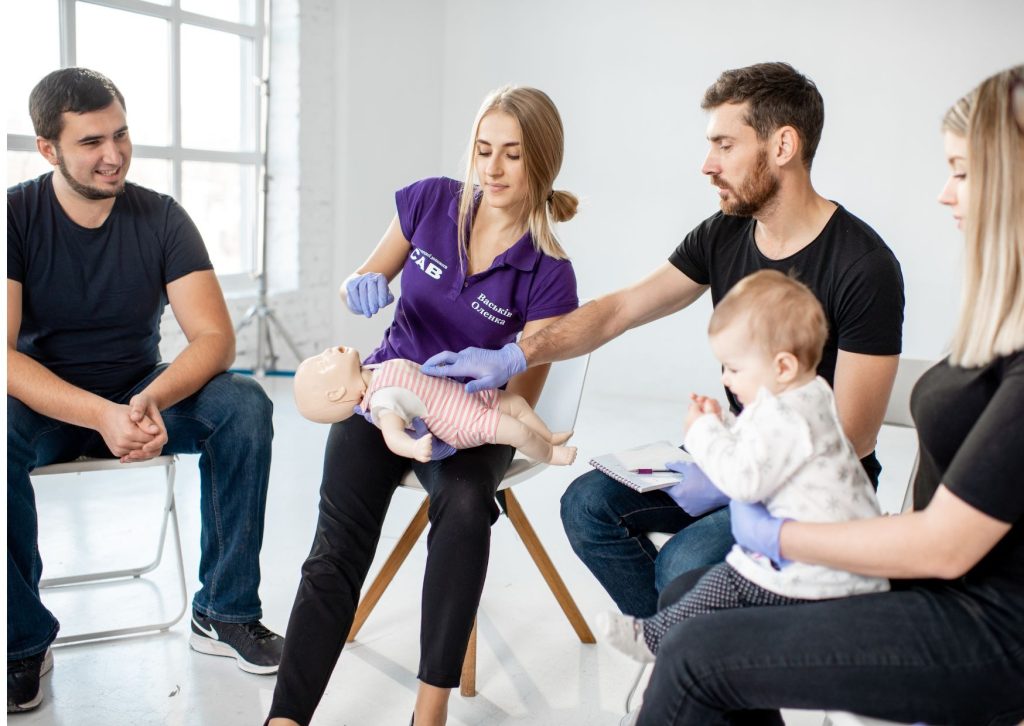
When it comes to learning CPR, New Jersey offers a variety of options tailored to fit different needs and schedules.
Whether you prefer hands-on instruction or the flexibility of online courses, there’s something for everyone.
Local Organizations Offering Courses
Several local organizations provide CPR training throughout New Jersey.
The American Heart Association and the Red Cross are two of the most reputable options, offering comprehensive classes that cover infant, child, and adult CPR as well as first aid.
Many hospitals and community centres also host regular workshops, making it easy to find a course close to home.
If you’re looking for CPR training that’s both accessible and community-focused, Brooks CPR might be a great fit for you.
We offer classes in various formats to meet the diverse needs of parents in New Jersey.
With experienced instructors, you’ll not only learn the technical aspects of CPR but also engage in practical scenarios that help build confidence.
Online vs. In-Person Training
Deciding between online and in-person training depends on your personal learning style.
Online courses offer the flexibility to learn at your own pace and revisit material whenever needed, which can be a huge plus for busy parents.
On the other hand, in-person classes provide valuable hands-on practice with CPR techniques and often allow for immediate feedback from instructors.
Consider your comfort level and schedule when making your choice, as both options effectively teach CPR skills.
Certification Process
After completing a course, many programs offer certification, demonstrating that you’ve acquired the necessary skills to perform CPR.
The certification process typically involves a practical skills test to ensure you can effectively respond in an emergency.
Most certifications are valid for two years, so it’s essential to stay current and refresh your skills regularly.
What to Expect in a CPR Training Course
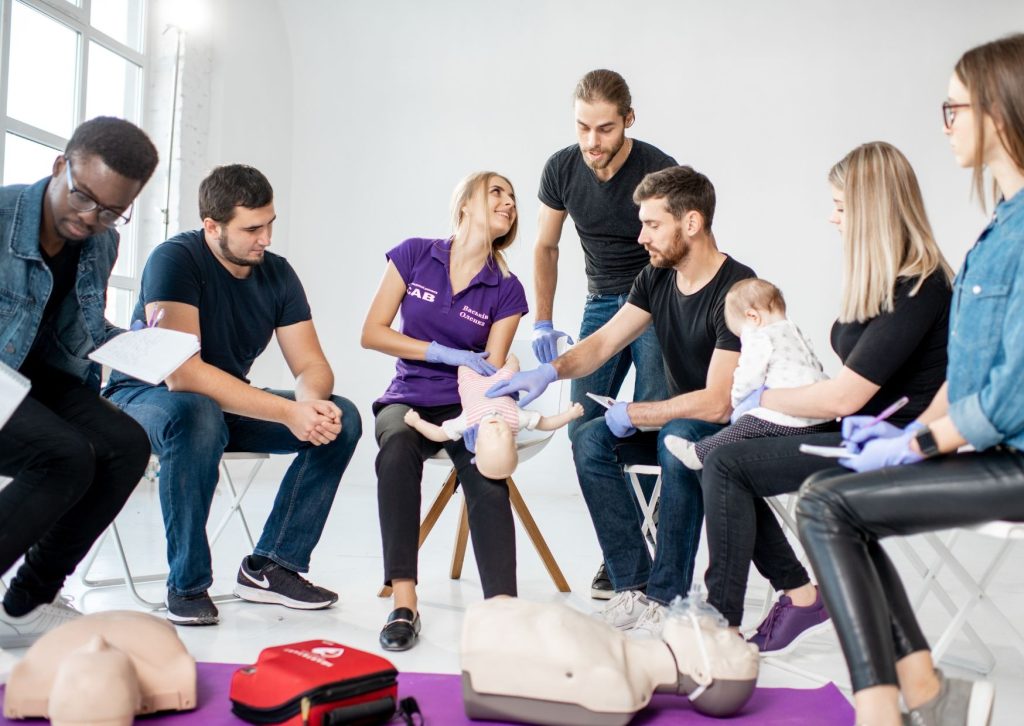
When you sign up for a CPR training course, expect to dive into some pretty essential life-saving skills.
It’s not just about learning theory; you’ll get hands-on experience that will prepare you for real-life emergencies.
Basic Life Support Techniques
In the first part of your training, you’ll learn the basics of cardiopulmonary resuscitation.
This includes understanding the proper compression techniques and correct hand placement for adults, children, and infants.
You’ll also practice the rhythm and depth of compressions to ensure they’re effective in maintaining blood flow.
Plus, you’ll learn how to assess an unconscious person and when to call for help, making sure every second counts.
Use of AED (Automated External Defibrillator)
A crucial part of any modern CPR course is the training on using an Automated External Defibrillator (AED).
These devices can drastically increase survival rates for those experiencing a cardiac arrest.
In your training, you’ll get to know how to locate an AED, attach it correctly, and follow its voice prompts.
You’ll practice using the AED alongside CPR, empowering you to take action if you ever find yourself in a situation where someone needs this life-saving assistance.
Infant and Child-Specific CPR Techniques
Given the vulnerable nature of infants and children, your training will also cover age-specific CPR techniques.
This section will give you the skills to handle emergencies involving younger family members, focusing on gentler compressions and breath techniques tailored for smaller bodies.
You’ll learn to recognize signs of distress unique to infants and children, so you can respond confidently and effectively in any situation.
This knowledge is invaluable to parents, ensuring you’re prepared for emergencies involving your little ones.
Maintaining CPR Skills
Just like any other important skill, keeping your CPR knowledge fresh is crucial.
Regular recertification—usually every two years—helps reinforce what you’ve learned and updates you on any new techniques or guidelines.
The more you review the material, the more confident you’ll feel in an actual emergency, ensuring you’re ready to act swiftly when it matters most.
Practice Techniques at Home
In addition to recertification, there are simple ways you can practice and maintain your CPR skills at home.
Keeping your CPR skills sharp doesn’t have to be a chore.
Here are some straightforward tips to help you practice at home:
- Use a CPR Mannequin: If you can, invest in a CPR mannequin for realistic practice. Many can be found online or at local stores, ensuring you can practice compressions and rescue breaths correctly.
- Watch Tutorial Videos: There’s a wealth of CPR tutorials available online. Watching these can refresh your memory on techniques and provide new tips to improve your skills.
- Set Aside Practice Time: Just like any skill, regular practice helps. Dedicate a bit of time each month to go over CPR techniques, ensuring you stay familiar with the motions and processes.
- Involve Family Members: Make practicing CPR a family affair. Teach your spouse or older kids the techniques, turning it into a fun and educational activity everyone can participate in.
- Create Realistic Scenarios: Mimic emergency situations with your family and practice responding to them. It helps everyone stay calm and prepared during real-life situations.
- Stay Updated on Guidelines: Follow professional organizations like the American Heart Association for the latest CPR guidelines and recommendations to ensure your skills are up-to-date.
- Join a Community Practice Group: Look for local community groups or workshops that offer practice sessions. Engaging in group practice can reinforce your skills while connecting you with others interested in learning CPR.
Empowering New Jersey Parents with Life-Saving Skills
As we’ve explored throughout this article, CPR training is not just a valuable skill—it’s a critical tool that can make the difference between life and death, especially when it comes to our children.
For parents in New Jersey, the importance of being prepared for emergencies cannot be overstated.
Brooks CPR understands the unique needs of parents in our fast-paced New Jersey environment.
That’s why we offer specialized CPR training courses designed with families in mind.
Our programs go beyond just teaching techniques; we focus on building the confidence and quick-thinking skills necessary to act decisively in crisis situations.
Don’t wait for an emergency to wish you had learned CPR. Take the first step today in protecting your family and community.
Visit our website at https://brookscprnynj.com/ to explore our course offerings and find a class that fits your schedule.
Let’s work together to create a safer New Jersey for our children, one trained parent at a time!