
Saving a life is a skill that never goes out of style.
As a certified CPR provider, you’ve already taken the crucial first step in being prepared for emergencies. However, just like any valuable skill, CPR knowledge needs to be refreshed and updated.
Whether you’re a healthcare professional, a teacher, or simply a prepared citizen, staying current with your CPR certification is essential.
In this guide, we’ll walk you through everything you need to know about renewing your CPR certification – from why it matters to what’s new in life-saving techniques.
Let’s ensure you’re ready to spring into action when every second counts!
Why CPR Certification Renewal is Important
Maintaining a valid CPR certification isn’t just a box to tick—it’s a critical responsibility that can save lives.
Here’s why staying current matters:
Legal and Professional Requirements
Many professions, particularly healthcare, education, and childcare, mandate up-to-date CPR certification.
It’s not just about keeping your job; it’s about being prepared to handle emergencies effectively in your workplace.
Skill Retention
CPR is a hands-on skill that requires muscle memory and quick thinking. Without regular practice, these life-saving techniques can fade from memory.
Renewal courses provide essential refreshers to keep your skills sharp and ready for action.
New Guidelines and Techniques
The field of emergency care is constantly evolving. Organizations like the American Heart Association regularly update their guidelines based on the latest research.
Renewal courses ensure you’re up-to-date on the most effective, current CPR techniques.
Liability Protection
In emergencies, Good Samaritan laws often protect those who offer assistance.
However, having a valid CPR certification provides an extra layer of legal protection, demonstrating that you’ve been trained in proper techniques.
When Should You Renew Your CPR Certification?
Timing is crucial when it comes to CPR certification renewal. Here’s what you need to know:
Typical Certification Duration
Most CPR certifications are valid for two years.
Mark your calendar when you receive your certification to avoid any surprises.
Recommended Renewal Period
Don’t wait until the last minute!
It’s best to start the renewal process about 3-6 months before your certification expires. This buffer ensures you’re always covered and allows you to schedule your renewal course.
Why Expiration Matters
Letting your certification lapse can have serious consequences.
You may be legally restricted from performing certain job duties, lose liability protection, or even risk your employment in fields where CPR certification is mandatory.
How to Renew Your CPR Certification
Ready to renew?
Here are your options and what to expect:
In-Person vs. Online Renewal Options
- In-Person Renewal: Offers hands-on practice with instructor feedback. It is great for those who learn best through physical demonstration and interaction.
- Online Renewal: Convenient and flexible, allowing you to complete coursework at your own pace. However, it may lack the hands-on component unless paired with an in-person skills check.
Both options have their merits—choose based on your learning style and schedule.
Accredited Providers
Ensure you’re renewing with a recognized organization.
The American Red Cross and the American Heart Association are widely respected providers.
Your certification should be accepted nationwide and often internationally.
What to Expect in a Renewal Course
Renewal courses typically cover:
- Review of essential CPR techniques
- Updates on any new guidelines or best practices
- Hands-on practice with mannequins (for in-person courses)
- Assessment of your skills and knowledge
Remember, the goal isn’t just to pass a test—it’s to feel confident in your ability to respond effectively in an emergency.
Changes in CPR Guidelines: Stay Updated
Staying current with CPR guidelines is crucial for providing the most effective care.
Let’s explore recent updates and why they matter:
Recent Updates
CPR guidelines are regularly reviewed and updated to reflect the latest medical research.
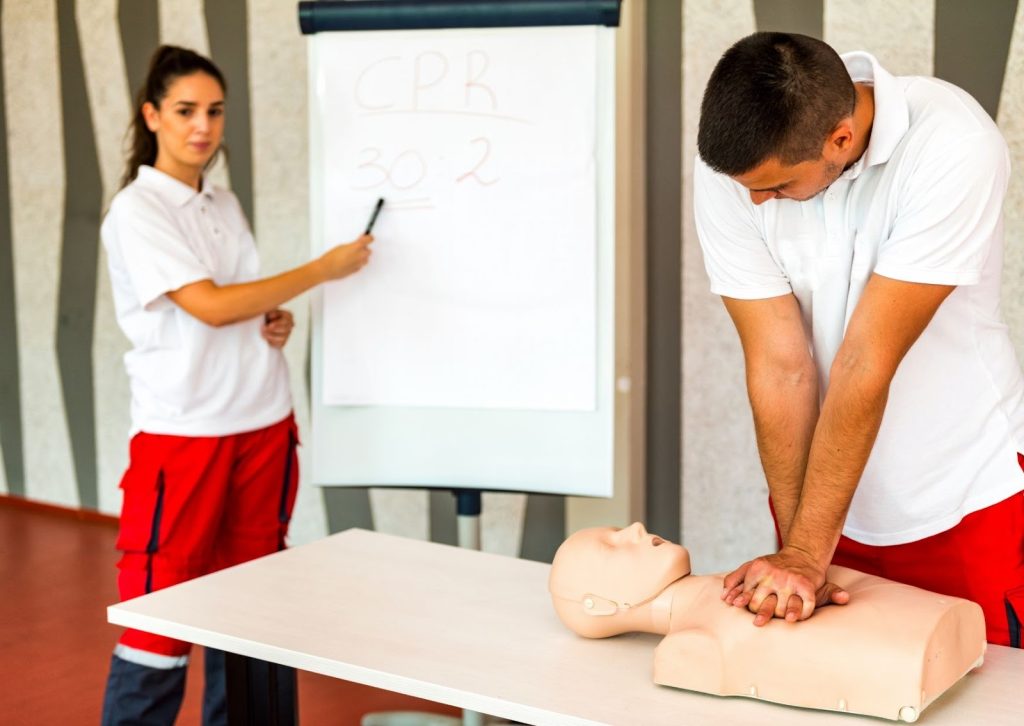
For example, there’s been a greater emphasis on chest compressions in recent years.
The current recommendation is to perform chest compressions at a rate of 100-120 per minute, faster than previously advised.
Why These Changes Matter
These updates aren’t arbitrary but based on extensive research and real-world data.
Each change aims to improve survival rates and the effectiveness of resuscitation techniques.
For instance, the focus on high-quality chest compressions has been shown to increase the chances of survival for cardiac arrest victims significantly.
How Renewing Helps You Stay Informed
Renewal courses are designed to bring you up to speed on these changes. They provide a structured way to learn about new practices and updated standards.
By renewing regularly, you ensure that your CPR skills align with the most current, evidence-based practices.
What Happens if You Don’t Renew on Time?
While it’s always best to renew your CPR certification on time, life can sometimes get in the way.
Here’s what you need to know if you find yourself with an expired certification:
Job and Licensing Risks
For professionals in healthcare, education, or other fields where CPR certification is mandatory, letting your certification lapse can have serious consequences.
You might be restricted from certain job duties, face disciplinary action, or even risk losing your position. In some cases, it could affect your professional licensing status.
Lapsed Certification
While you can still perform CPR with a lapsed certification in an emergency, you may not be protected from legal liability as you would with a current certification.
Professionally, a lapsed certification means you’re not compliant with job requirements, which could lead to complications with your employer.
Reinstating Certification
If you miss your renewal deadline, you’ll typically need to take a full CPR course rather than a renewal class. This means more time and potentially higher costs.
Some organizations may offer a short grace period, but it’s best not to rely on this.
If your certification has lapsed, contact a certified provider immediately to discuss your options for reinstatement.
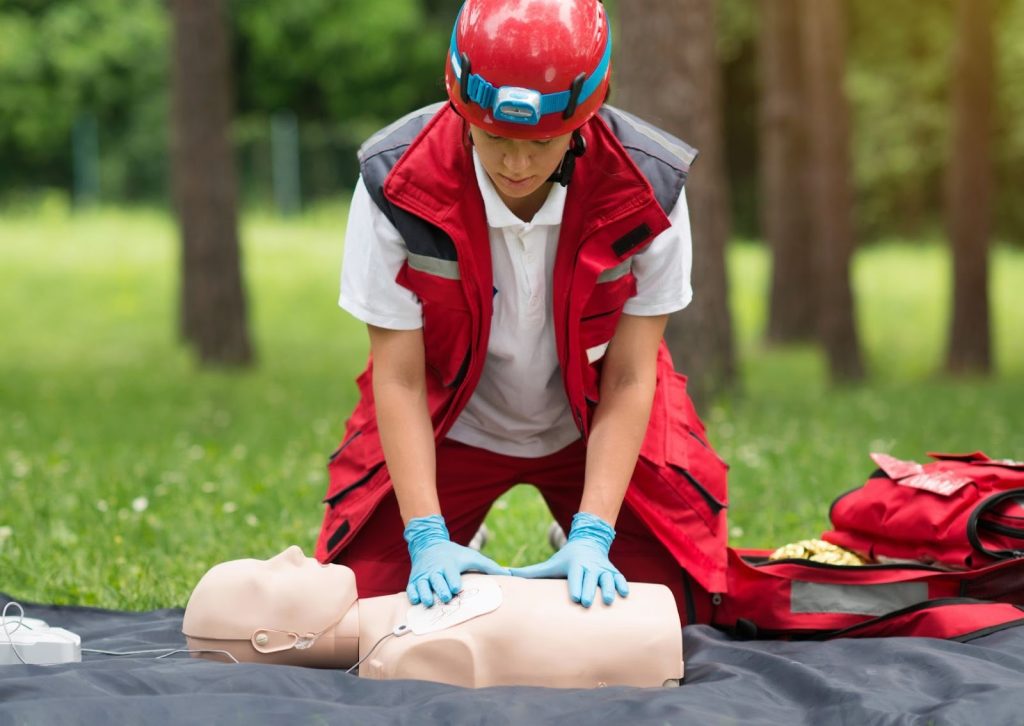
The Benefits of Regular CPR Training Beyond Certification
Regular CPR training offers advantages that extend far beyond maintaining a valid certification.
Let’s examine the broader impact of keeping your skills sharp:
Confidence in Emergencies
Regular renewal of your CPR skills does more than just keep your certification current – it builds confidence.
In a high-stress emergency situation, this confidence can be crucial. The more familiar you are with the techniques, the more likely you are to respond quickly and effectively when it matters most.
Empowering Others
Maintaining your CPR skills makes you a valuable resource in your community.
You can encourage and educate others about the importance of CPR training and renewal.
This ripple effect can lead to more people being prepared to respond to emergencies.
Community Impact
A community with a high number of CPR-trained individuals is a safer community.
Every person who maintains their CPR skills contributes to a network of potential responders who can step in during those critical moments before professional help arrives.
Your commitment to regular CPR training renewal isn’t just about personal development – it’s about contributing to the safety and well-being of your entire community.
Brooks CPR: Your Partner in Professional CPR Skill Renewal
Remember, CPR certification renewal isn’t just a requirement – it’s an opportunity. It’s a chance to refresh your skills, stay updated on the latest life-saving techniques, and reaffirm your commitment to being prepared for emergencies.
Whether you’re renewing for professional reasons or personal preparedness, you’re taking an important step in potentially saving lives.
For those in the New Jersey area, particularly around Hackensack and Newark, staying current with your CPR certification is easier than ever.
Brooks CPR offers convenient renewal courses that cater to busy professionals and individuals alike. Our experienced instructors bring the latest techniques and guidelines to life, ensuring you leave feeling confident and prepared.
Take a moment to check your certification status today! By keeping your skills sharp and up-to-date, you’re not just fulfilling a requirement – you’re potentially becoming someone’s lifeline in their moment of greatest need.