
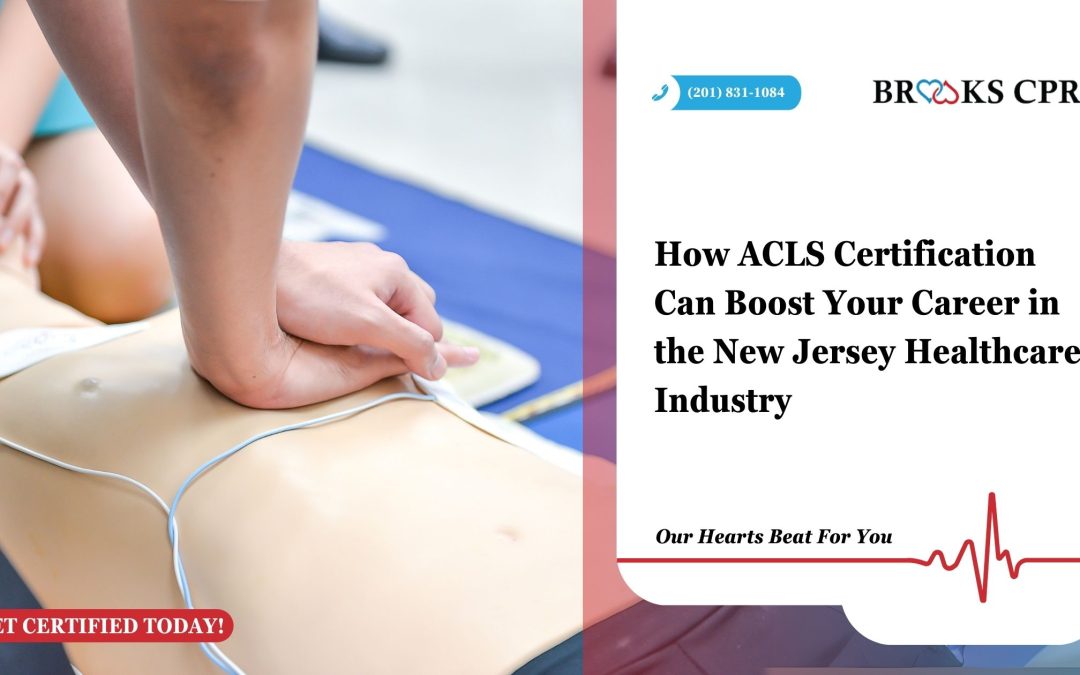
Are you looking to take your healthcare career in New Jersey to the next level?
If so, then you’ve come to the right place.
In today’s rapidly evolving healthcare industry, additional certifications can play a crucial role in distinguishing yourself from the competition and opening up exciting new opportunities.
One such certification that holds immense value is Advanced Cardiovascular Life Support (ACLS).
ACLS certification equips healthcare professionals with the knowledge and skills necessary to respond to life-threatening emergencies.
Let’s explore how ACLS certification can not only enhance your clinical abilities but also boost your career prospects in the dynamic healthcare landscape of New Jersey.
Understanding ACLS Certifications
ACLS certification stands for Advanced Cardiovascular Life Support. It is a specialized training program designed to equip healthcare professionals with the knowledge and skills necessary to respond effectively to life-threatening emergencies.
ACLS certification goes beyond basic life support techniques and focuses on providing advanced interventions for cardiac arrest, stroke, and other cardiovascular emergencies.
What ACLS Certification Entails
- Recognition and Treatment Algorithms: ACLS training introduces healthcare professionals to systematic algorithms for recognizing and treating cardiac arrest, acute coronary syndromes, stroke, and other cardiovascular emergencies. These algorithms serve as step-by-step guides for making critical decisions and delivering appropriate interventions promptly.
- Advanced Cardiac Life Support Techniques: ACLS certification covers advanced techniques such as airway management, defibrillation, and intravenous medication administration. Healthcare professionals learn how to perform various procedures, including intubation, cardioversion, and medication dosages specific to cardiac emergencies.
- Team Dynamics and Communication: Effective teamwork and communication are crucial during emergency situations. ACLS training emphasizes the importance of clear communication, leadership, and coordination within a resuscitation team. Healthcare professionals learn how to work collaboratively and efficiently to improve patient outcomes.
- Simulation-Based Learning: ACLS certification often incorporates hands-on simulation scenarios to provide a realistic training environment. Healthcare professionals practice responding to simulated emergency situations, allowing them to apply their knowledge and skills in a controlled setting.
Who Should Get ACLS Certified?
ACLS certification is highly beneficial for healthcare professionals who deal with critical and emergency situations. Here are some healthcare roles that can benefit from ACLS certification:
- Nurses: ACLS certification enhances the clinical skills and knowledge of nurses working in critical care units, emergency departments, and other high-acuity settings. It enables them to provide immediate and effective care during cardiac emergencies.
- Paramedics: Paramedics often encounter life-threatening situations where ACLS skills are essential. ACLS certification equips paramedics with the necessary tools to manage cardiac arrest, cardiac dysrhythmias, and other cardiovascular emergencies in the pre-hospital setting.
- Physicians: ACLS certification is valuable for physicians working in emergency medicine, critical care, cardiology, and other specialties. It enhances their ability to lead resuscitation efforts, make critical decisions, and provide advanced cardiac care to patients in critical condition.
The Demand for ACLS-Certified Professionals in New Jersey
The healthcare industry in New Jersey is experiencing steady growth, creating a robust job market for healthcare professionals.
According to the Bureau of Labor Statistics, healthcare occupations are projected to grow by 14% from 2018 to 2028, much faster than the average for all occupations.
This growth is driven by various factors, including an aging population, advances in medical technology, and increased access to healthcare services.
Importance of ACLS Certification in Meeting Employer Requirements
In today’s competitive job market, employers are seeking candidates who possess the necessary skills to provide high-quality care in critical and emergency situations.
ACLS certification has become a standard requirement in many healthcare settings, such as hospitals, emergency rooms, and outpatient clinics. By obtaining ACLS certification, you demonstrate your commitment to patient safety and your ability to handle cardiac emergencies with confidence and competence.
Healthcare Settings Requiring ACLS Certification
ACLS certification is particularly crucial in environments where healthcare professionals frequently encounter cardiac emergencies. Here are some healthcare settings that prioritize or require ACLS certification:
- Hospitals: In acute care hospitals, ACLS-certified professionals play a vital role in the rapid response to medical emergencies, ensuring patients receive timely and appropriate care during critical situations.
- Emergency Rooms: ACLS certification is essential for healthcare professionals working in emergency departments, as they often encounter patients with life-threatening conditions that require immediate intervention, including cardiac arrest and severe cardiac dysrhythmias.
- Outpatient Clinics: Some outpatient clinics, especially those specializing in cardiology or other high-acuity areas, may require ACLS certification for healthcare professionals who provide specialized care to patients at risk of cardiovascular emergencies.
By obtaining ACLS certification, you position yourself as a highly qualified candidate in these healthcare settings, increasing your chances of securing desirable positions and contributing to improved patient outcomes.
Career Advancement Opportunities with ACLS Certification
With this specialized certification, you can position yourself as a highly qualified candidate in various healthcare settings, increasing your chances of securing desirable positions and contributing to improved patient outcomes.
ACLS certification is particularly valuable for professionals in roles that involve the management of medical emergencies and critical situations.
Some key job roles that benefit from ACLS skills include:
Emergency Room Staff: Role and Responsibilities
In fast-paced emergency departments, ACLS-certified professionals are essential for delivering rapid and efficient care to patients with life-threatening conditions.
As part of the emergency room staff, you will play a vital role in stabilizing patients experiencing cardiac arrest, severe cardiac dysrhythmias, and other acute medical emergencies.
Your ACLS training will equip you with the knowledge and skills to perform advanced life support interventions, administer emergency medications, and lead resuscitation efforts.
Critical Care Nurses: Importance of ACLS in Patient Management
Critical care nurses are responsible for the comprehensive care of critically ill patients in intensive care units (ICUs).
ACLS certification is crucial for critical care nurses as it enhances their ability to respond effectively to cardiac emergencies and other life-threatening situations.
With ACLS skills, critical care nurses can assess and manage complex cardiac rhythms, administer appropriate medications, and provide advanced airway management.
Paramedics and EMTs: Enhanced Skills for Emergency Response
Paramedics and Emergency Medical Technicians (EMTs) are often the first responders to medical emergencies in the field.
ACLS certification equips these professionals with the knowledge and skills needed to manage critical situations, including cardiac arrest, respiratory distress, and other time-sensitive emergencies.
With ACLS training, paramedics and EMTs can provide advanced resuscitation measures, interpret cardiac rhythms, and administer life-saving interventions.
Other Roles: Respiratory Therapists, EKG Technicians, and More
ACLS certification is beneficial for a range of healthcare professionals involved in the management of patients with cardiovascular conditions or those at risk of medical emergencies.
Respiratory therapists, EKG technicians, and other allied health professionals can enhance their skills and contribute to patient care by obtaining ACLS certification.
Increased Earning Potential
ACLS certification not only expands your career opportunities but can also lead to increased earning potential.
Certified healthcare professionals often command higher salaries compared to their non-certified counterparts.
With ACLS skills, you demonstrate your commitment to professional development, specialized knowledge, and enhanced patient care, making you a valuable asset to employers.
While salary ranges can vary based on factors such as experience, geographic location, and specific job roles, ACLS certification can provide a competitive advantage in the job market and position you for promotions and higher-paying positions.
Partner With Brooks CPR Today!
Are you ready to take your healthcare career to the next level?
Pursuing ACLS certification with Brooks CPR can unlock a world of opportunities for career advancement and improved patient care.
Enhance your skills, demonstrate your commitment to professional development, and position yourself as a valuable asset to employers.
Visit brookscpr.com today and take the first step towards unlocking your potential!