
Getting ready for your CPR certification exam in New York can feel a bit overwhelming, but it doesn’t have to be!
Whether you’re a first-timer or just brushing up on your skills, this guide is here to help you navigate the prep process with ease.
We’ll break down everything you need to know—what to study, tips for practical skills, and how to stay calm on exam day.
So, grab a notepad and let’s dive into the essentials to ensure you’re fully prepared to ace that CPR exam and be ready to save lives!
Understanding the Exam Requirements
Before diving into study materials, it’s important to understand the CPR certification exam requirements in New York.
The American Red Cross and the American Heart Association are the two approved providers of CPR certification in New York.
Depending on your profession, you may need a specific level of certification.
- Basic Life Support (BLS) for Healthcare Providers
- Heartsaver CPR AED for the general public
- Pediatric CPR for those working with children
Each certification has its own focus, so make sure you’re preparing for the right one!
Additionally, some employers may have specific requirements or prefer one provider over the other. So, it’s best to check with your employer before registering for a CPR course.
Eligibility Criteria
Good news – pretty much anyone can take a CPR certification course in New York!
There’s no age limit, though some courses might have a minimum age requirement (usually around 12-14 years old).
The main thing is that you’re willing to learn and ready to jump in.
Exam Format and Duration
Most CPR exams in New York have two parts:
- A written test: Usually multiple-choice questions to check your knowledge.
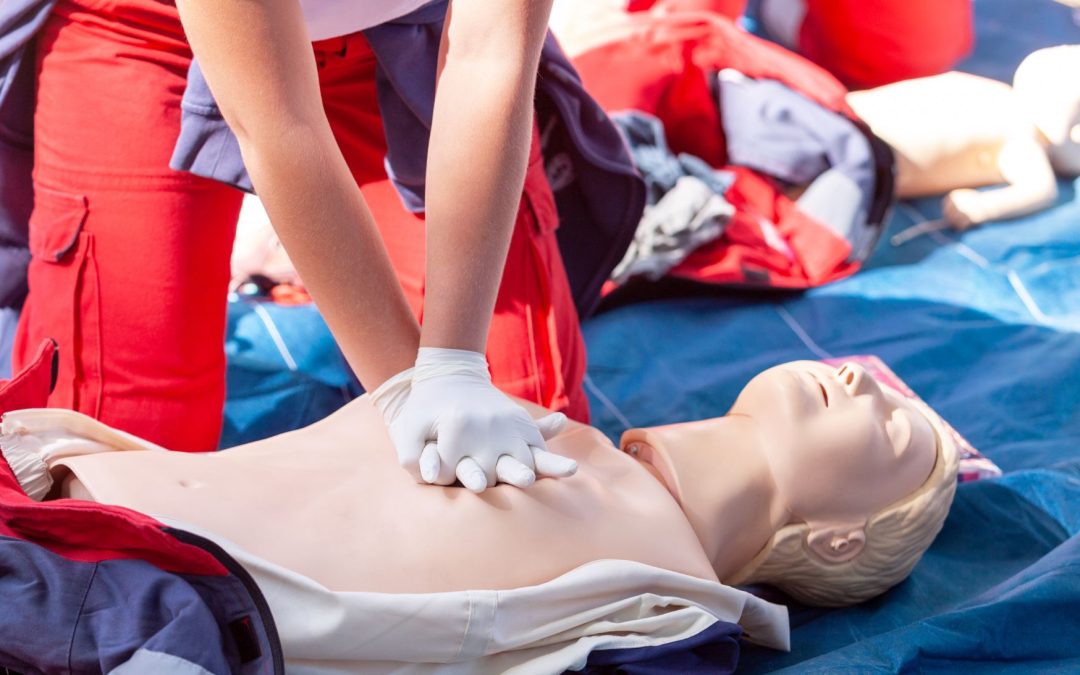
- A hands-on skills test: Where you’ll show off your CPR techniques on a mannequin.
The whole process typically takes about 2-3 hours, but this can vary depending on the course provider and the type of certification.
Study Materials and Resources
Now, let’s talk about how to prepare!
One of the best ways to study for a CPR certification exam is to take a course.
You can choose between in-person or online courses, depending on your preference and schedule.
Both options cover the same materials and use a mix of videos, reading materials, and practice tests.
If you prefer self-study, there are also plenty of resources available online such as practice exams, study guides, and instructional videos.
Recommended Textbooks and Online Resources
Your course provider will likely give you a handbook or manual – this is your new best friend! Read it cover to cover.
The American Heart Association and American Red Cross also have great online resources to supplement your learning.
CPR Training Videos
YouTube is a goldmine for CPR training videos.
Watching and practicing along with these videos can help you familiarize yourself with the techniques and build confidence.
Just make sure to watch videos from reliable sources, like the American Heart Association or certified CPR trainers.
Practice Exams and Quizzes
Many websites offer free CPR practice tests.
Take advantage of these!
They’ll help you get comfortable with the types of questions you might see on the real exam.
Plus, they’re a great way to identify any areas where you might need to brush up.
Key Topics to Master
While each CPR certification might have its own focus, there are some core topics that you’ll need to know inside and out, no matter which exam you’re taking.
Basic Life Support Techniques
This covers the fundamental CPR techniques, including chest compressions and rescue breaths.
Make sure to practice these regularly – muscle memory is key!
Chest Compressions and Rescue Breaths
Knowing the proper hand placement and rhythm for chest compressions is crucial.
For rescue breaths, you’ll need to know how to properly tilt the head and give effective breaths.
Using an AED (Automated External Defibrillator)
AEDs are commonly found in public places, and they can greatly increase a person’s chances of survival during a cardiac emergency.
Make sure you know how to use one – it could save a life!
CPR for Adults, Children, and Infants
Depending on the certification you’re pursuing, you’ll need to know how to perform CPR on different age groups.
While the techniques are similar, there are some key differences to keep in mind.
Choking is a common emergency situation that requires quick action.
You’ll need to know the Heimlich maneuver for adults and back blows for infants.
Hands-on Practice
Learning about CPR is one thing, but putting it into action is a whole other ball game.
Importance of Practical Experience
Reading and watching videos can give you a basic understanding of the techniques, but there’s no substitute for hands-on practice.
It allows you to feel the weight and resistance of the body, get used to the rhythm and tempo of chest compressions, and build muscle memory.
Plus, it gives you an opportunity to ask questions, clarify any doubts, and receive feedback from your instructor.
Practice Drills
During your course, you’ll likely have several opportunities for hands-on practice drills.
These are structured exercises that simulate real-life scenarios and allow you to apply what you’ve learned in a controlled environment.
Your instructor will guide you through these drills step by step, so don’t worry if you make mistakes – that’s what practice is for!
Finding CPR Classes in New York City
There are many options available in New York City.
You can take classes through the American Red Cross, the American Heart Association, or certified CPR trainers.
In New Your City, Brooks CPR in NY/NJ offers top-notch CPR courses tailored for everyone, from beginners to seasoned professionals looking to brush up on their skills.
Tips for Effective Practice at Home
Once you’ve completed your CPR training, it’s important to continue practicing at home.
Here are some tips for effective practice:
- Practice regularly: Set aside a specific time each week for practice drills.
- Use a mannequin or pillow: If you don’t have access to a CPR dummy, you can use a pillow as a substitute. This will help you get used to the resistance of compressing against a soft surface.
- Involve friends and family: Ask willing friends or family members to act as victims during your drills. This will make the experience more realistic and engaging.
- Keep up with updates: As guidelines and techniques may change over time, make sure to stay informed and update your skills if necessary.
Exam Day Preparation
Congratulations, you’ve completed your CPR training!
Now it’s time for the final step – taking the exam.
What to Bring to the Exam
Make sure you have the following items with you on exam day:
- Photo ID: This can be a driver’s license, passport, or any other government-issued photo ID.
- CPR certification card: If you’ve taken a course before and are recertifying, bring your old card along with the new one.
- Payment: Most exams require a fee for taking the test. Make sure to check beforehand and bring cash or credit/debit card if necessary.
Dress Code and Comfort Considerations
On exam day, make sure to dress comfortably and appropriately.
Wear loose-fitting clothes that allow for easy movement and choose comfortable shoes – you may be standing or kneeling for extended periods.
Also, consider bringing a light jacket or sweater in case the room is too cold or too warm for your liking.
Mental Preparation and Stress management Techniques
It’s normal to feel nervous before an exam, but don’t let it overwhelm you.
Here are some techniques to help manage stress and prepare mentally:
- Get a good night’s sleep: Make sure to get enough rest the night before the exam.
- Eat well: Fuel your body with a healthy breakfast on exam day.
- Take deep breaths: If you feel anxious, take a few deep breaths to calm yourself down.
- Positive self-talk: Remind yourself that you’ve trained for this and have the skills and knowledge necessary to pass the exam.
Tips for Success
With all the preparation and hard work you’ve put into your CPR training, here are some final tips to help ensure success on exam day:
- Read each question carefully: Make sure to fully understand what is being asked before answering.
- Eliminate incorrect options: If you’re unsure of an answer, eliminate any obviously wrong options to increase your chances of getting it right.
- Manage your time: Pace yourself and don’t spend too much time on one question. Remember, there’s a time limit for the exam!
- Stay calm: Don’t let nerves get the best of you. Stay calm and focused throughout the exam.
After the Exam
After taking the exam, you’ll usually receive your results right away.
Understanding the Scoring System
Most CPR exams are scored on a pass/fail basis.
However, some organizations may also rank your performance using different levels (e.g., excellent, good, fair).
Make sure to discuss the scoring system with your instructor before taking the exam.
What to Do if You Don’t Pass
If you don’t pass the exam, don’t be discouraged.
Talk to your instructor and ask for feedback on where you went wrong.
You may also have the opportunity to retake the exam at a later date.
Maintaining Your Certification
CPR certification typically lasts for two years.
After that, you’ll need to take a recertification course to maintain your skills and knowledge.
Make sure to keep track of your certification expiration date and plan accordingly so you don’t let it lapse.
Taking regular refresher courses can also help keep your skills sharp.
Ready to Save Lives
Congratulations, you’re now officially certified in CPR!
You have the skills and knowledge necessary to make a difference in an emergency situation.
Continue practicing regularly, stay updated on any changes or updates in techniques, and always be prepared to step up when needed – you never know when someone’s life may depend on it.
When it comes to CPR training, finding the right program can make all the difference.
Brooks CPR offers a balanced approach that combines knowledgeable instructors with a friendly atmosphere, making it easier for you to learn and absorb the skills.
Our courses are designed for all levels, whether you’re just starting out or looking to refresh your skills.
Plus, the hands-on practice they provide ensures that you leave feeling confident in your abilities. You’ll get to engage with your peers, ask questions, and gain insights that you might not get elsewhere.
With Brooks CPR, you’re not just ticking a box; you’re embracing a valuable skill set that could one day save a life!